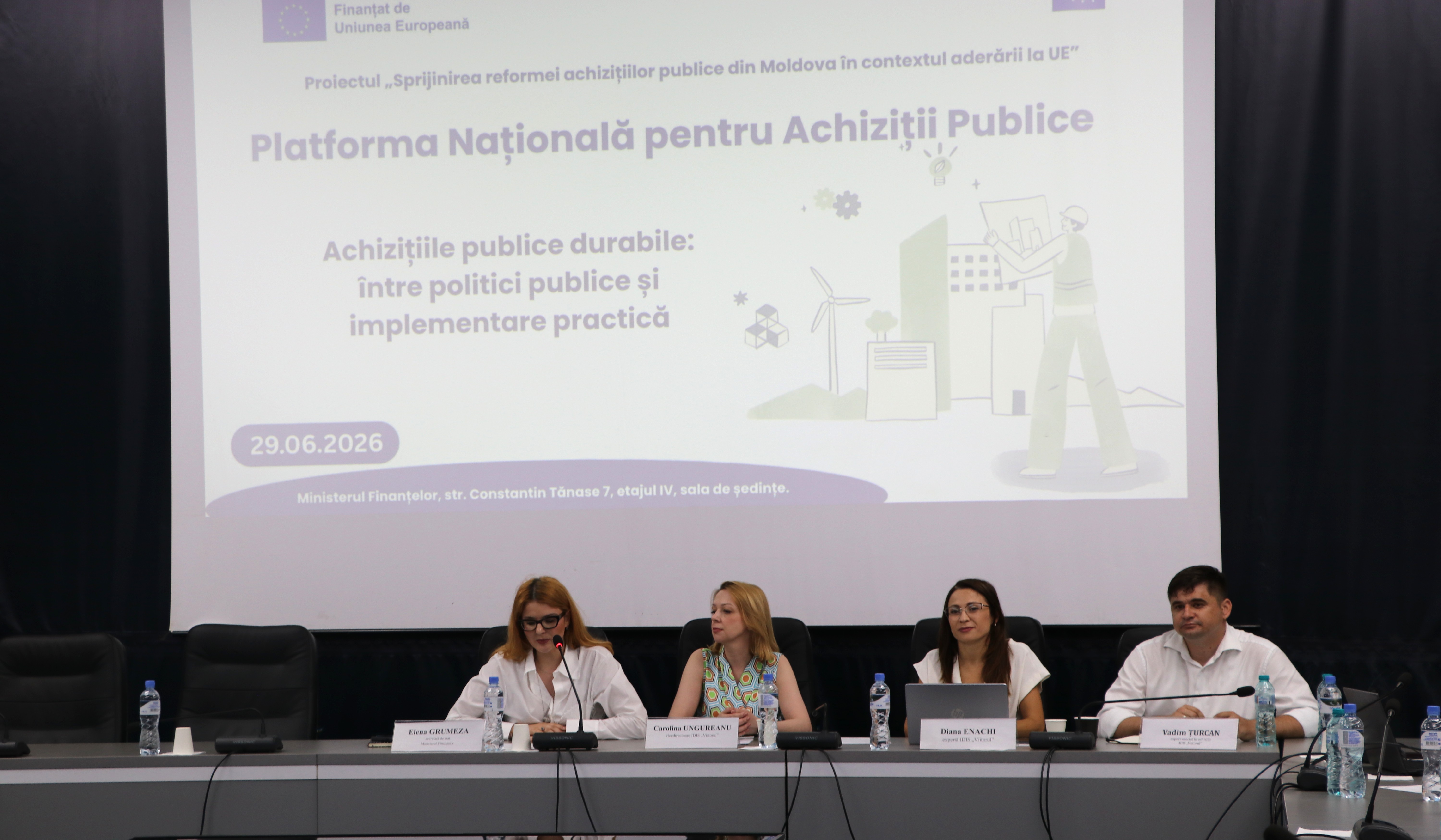
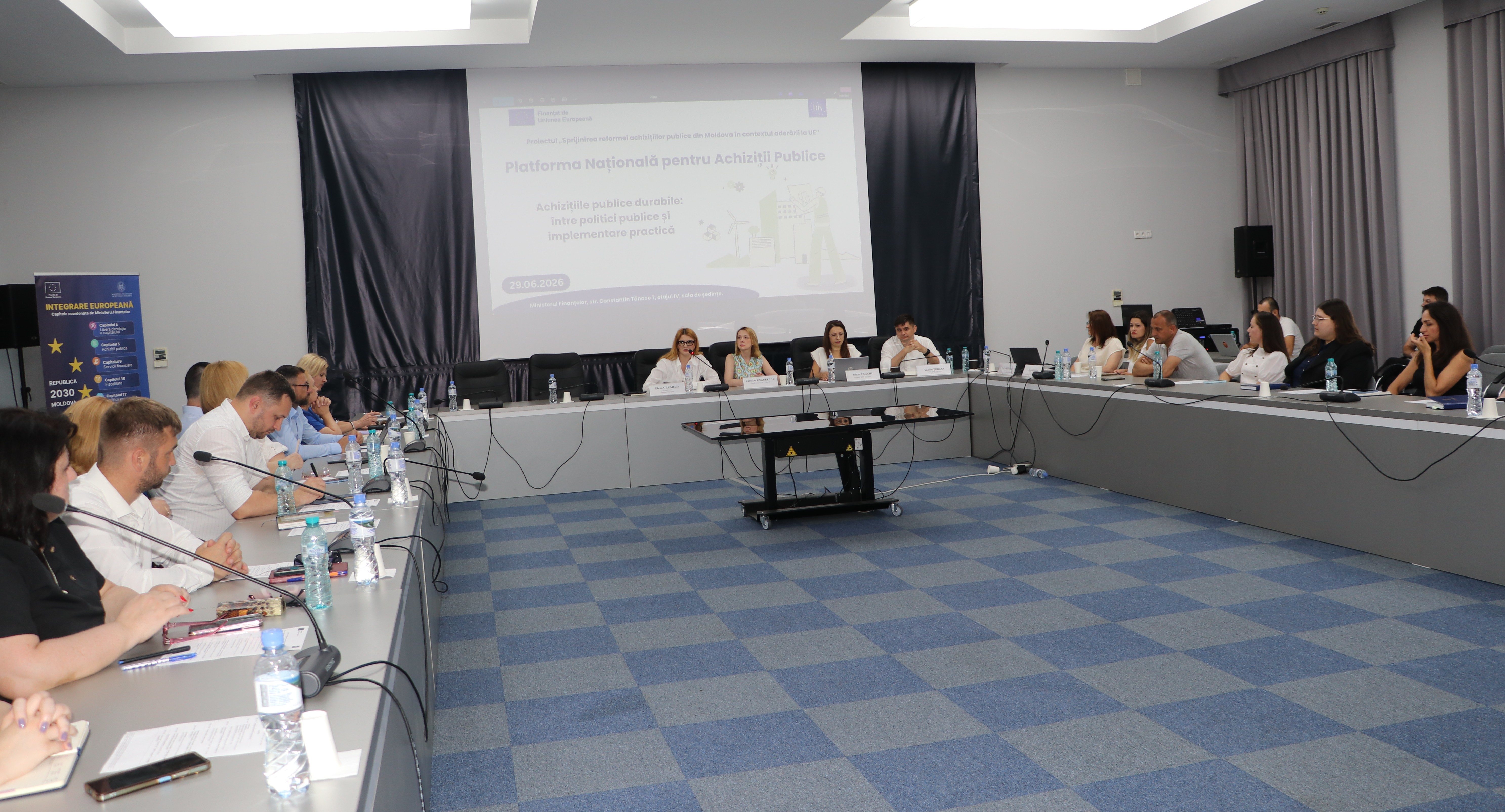
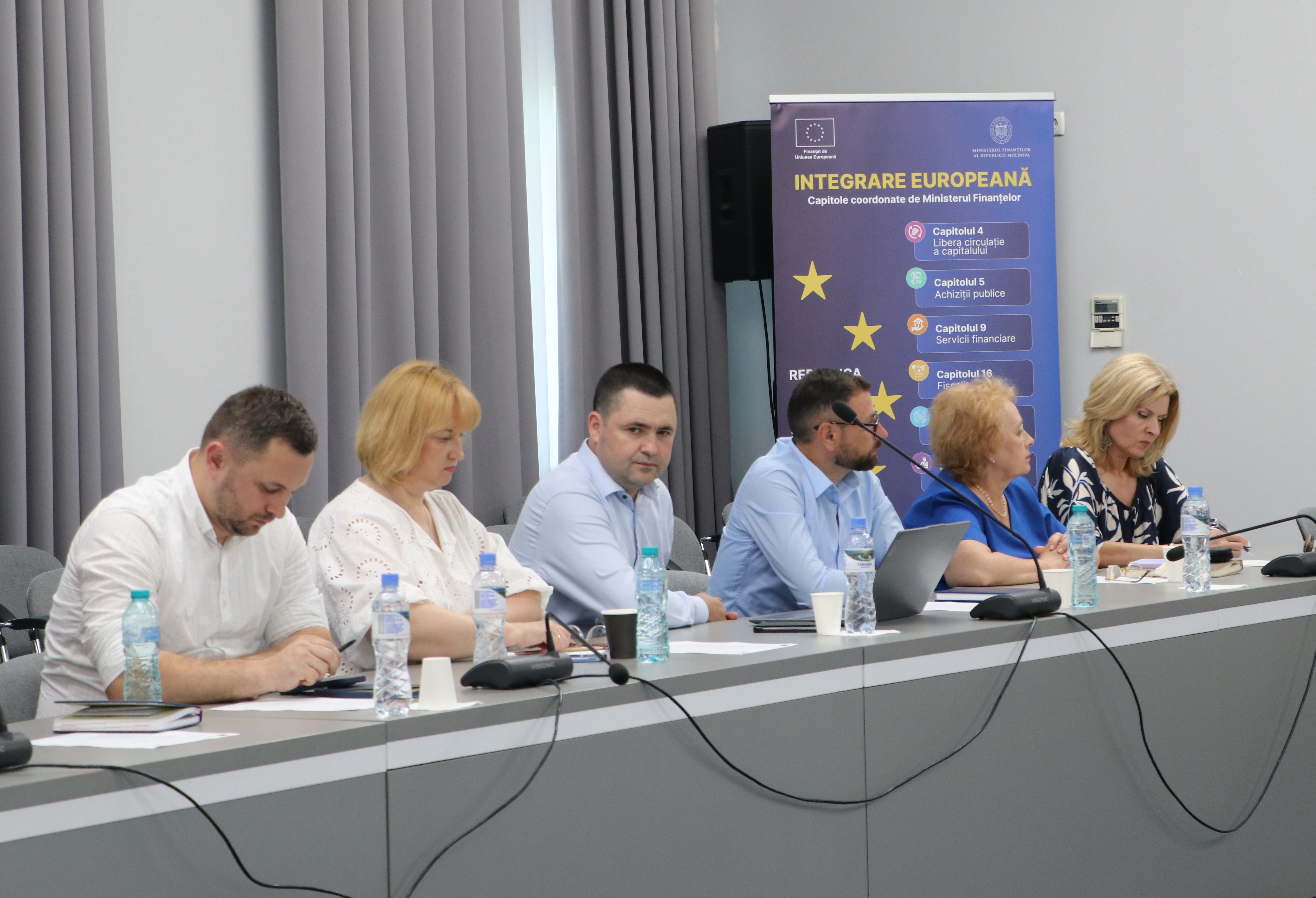
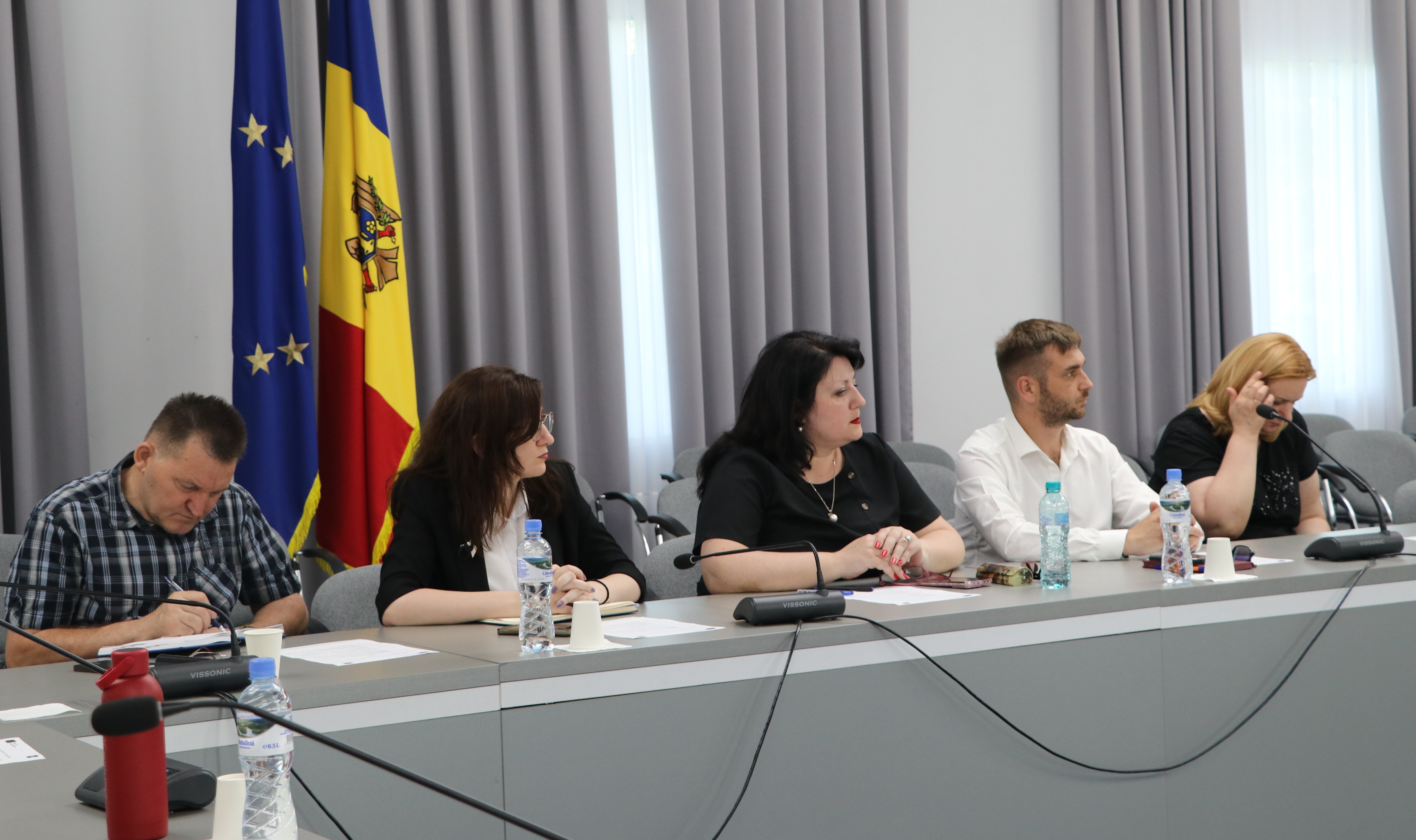
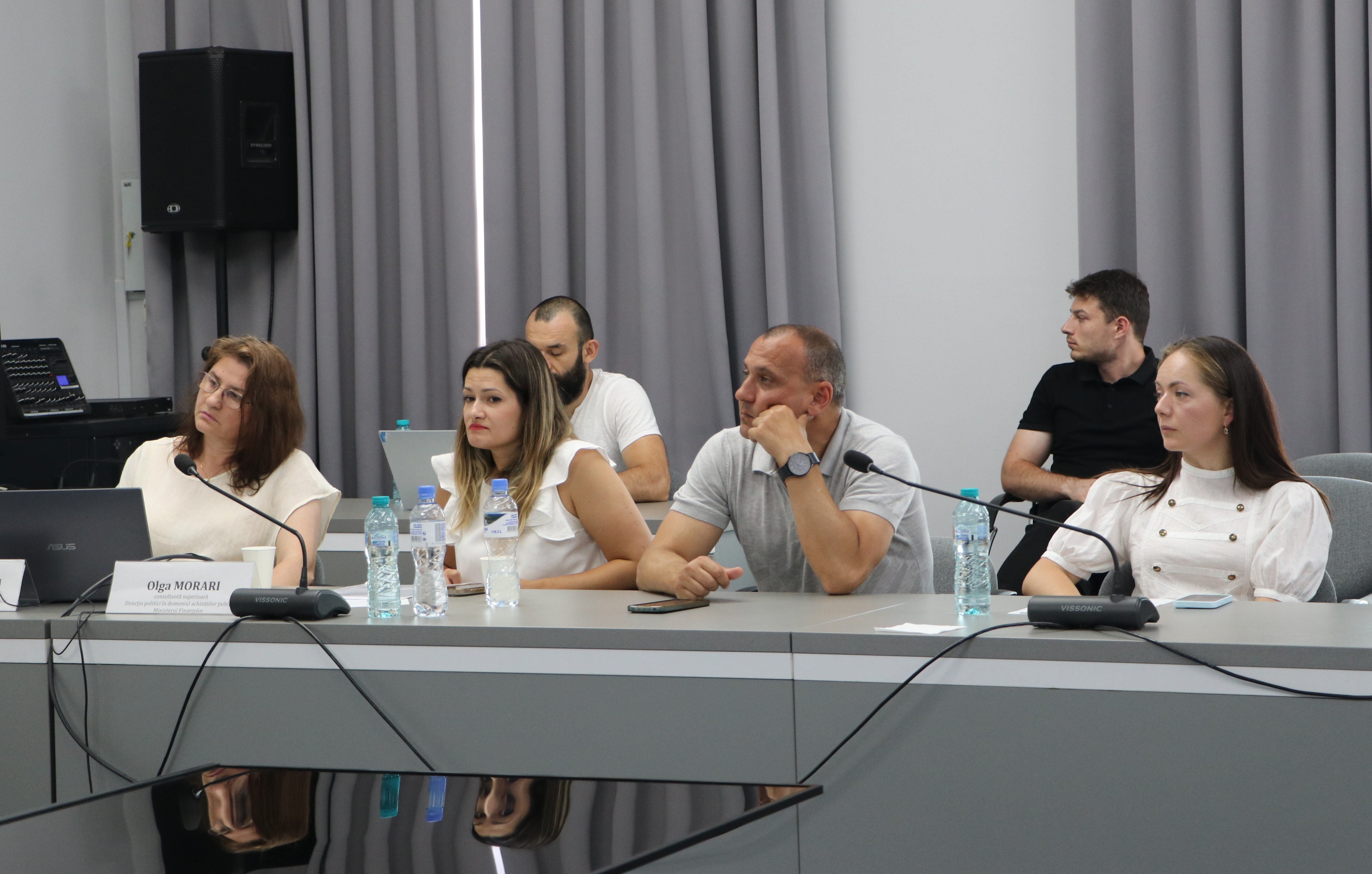
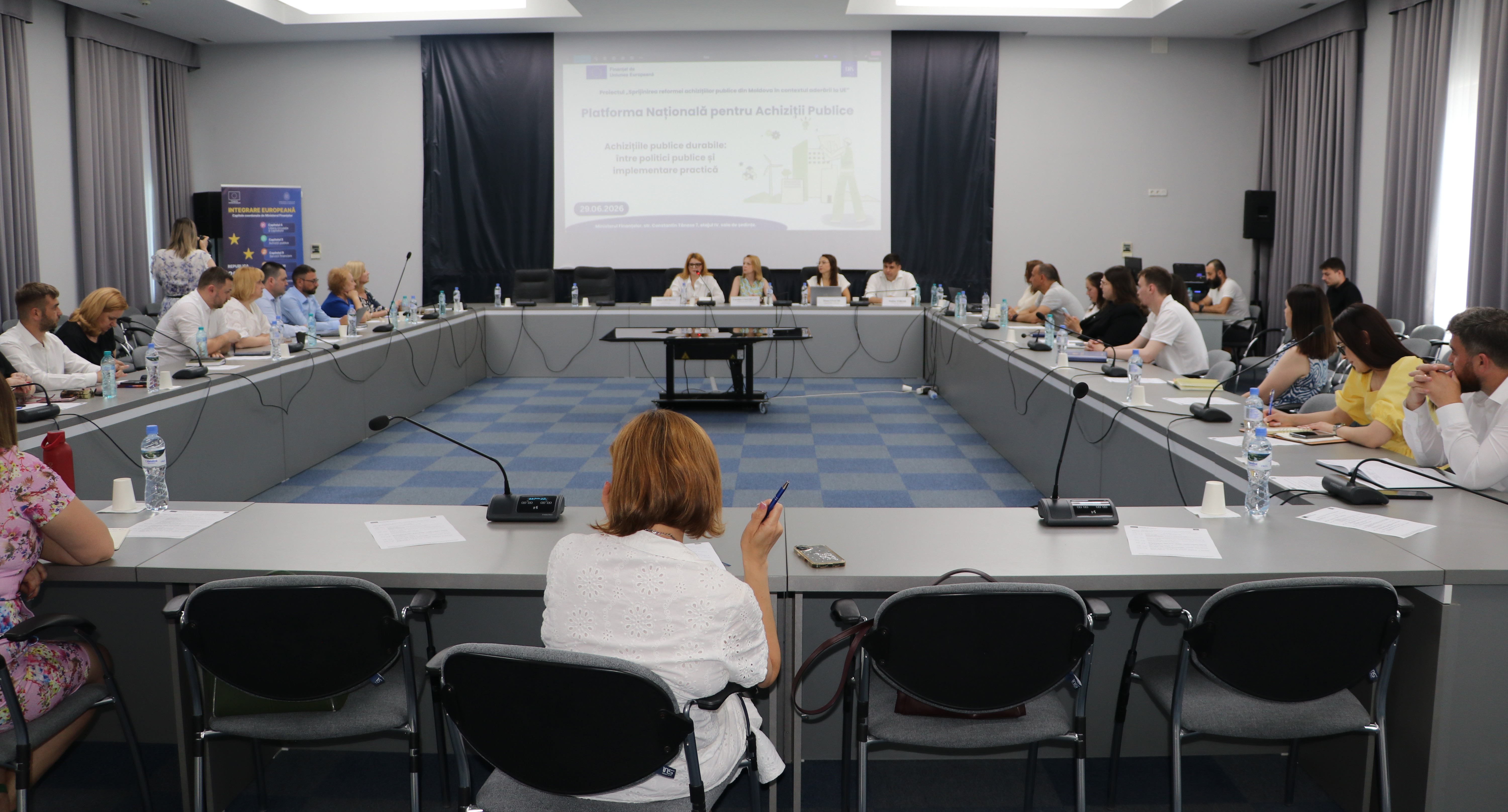
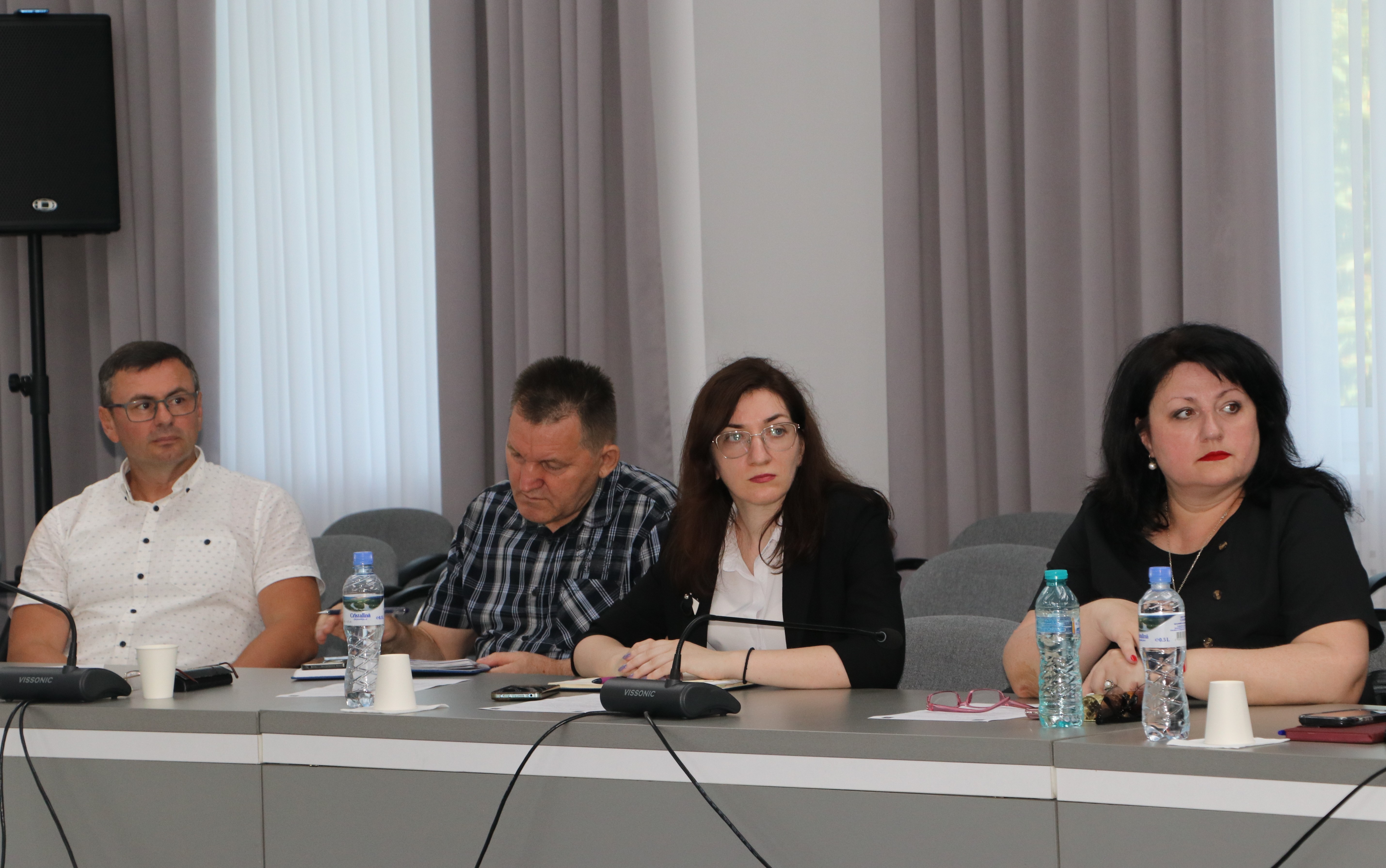
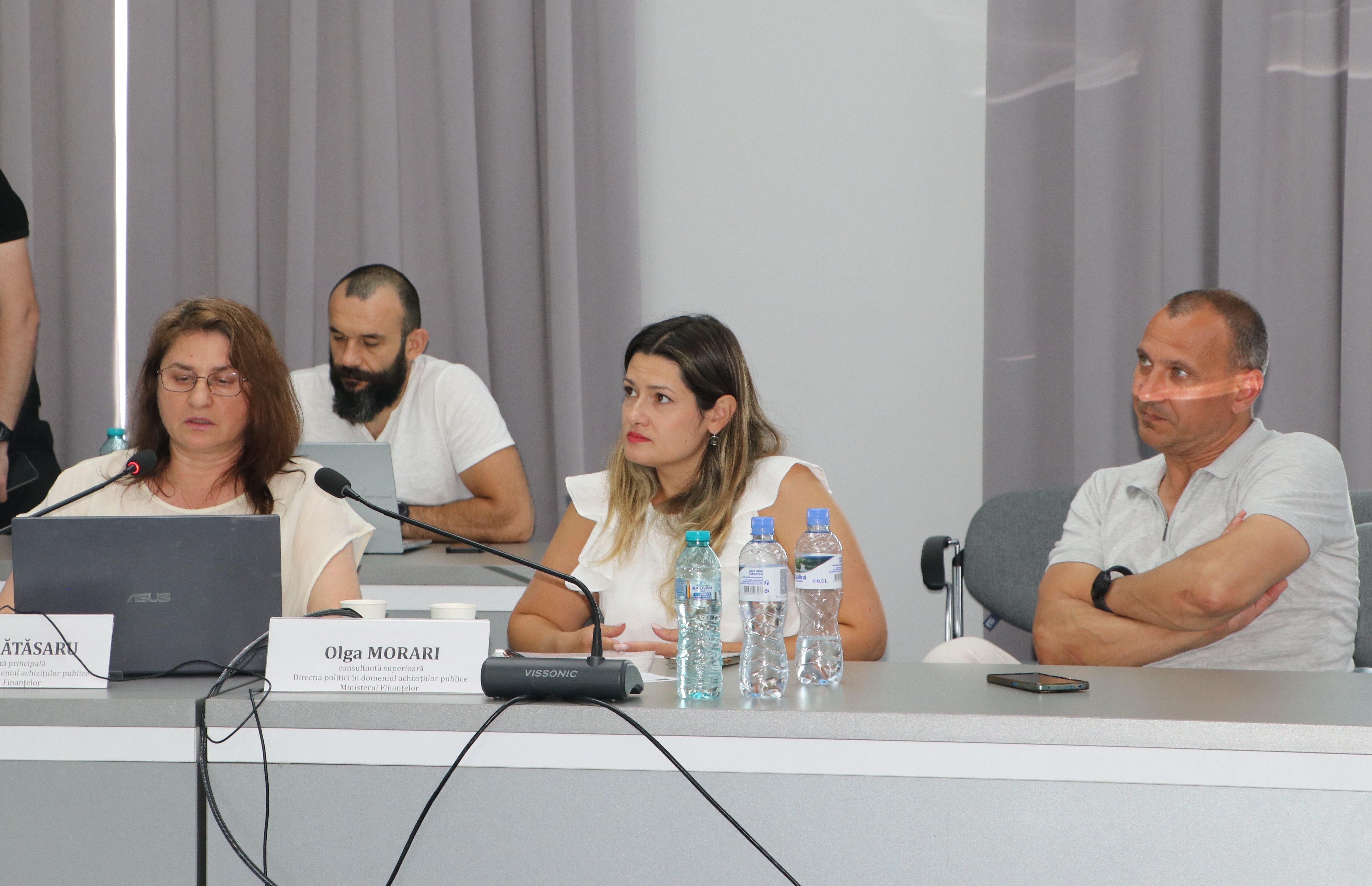
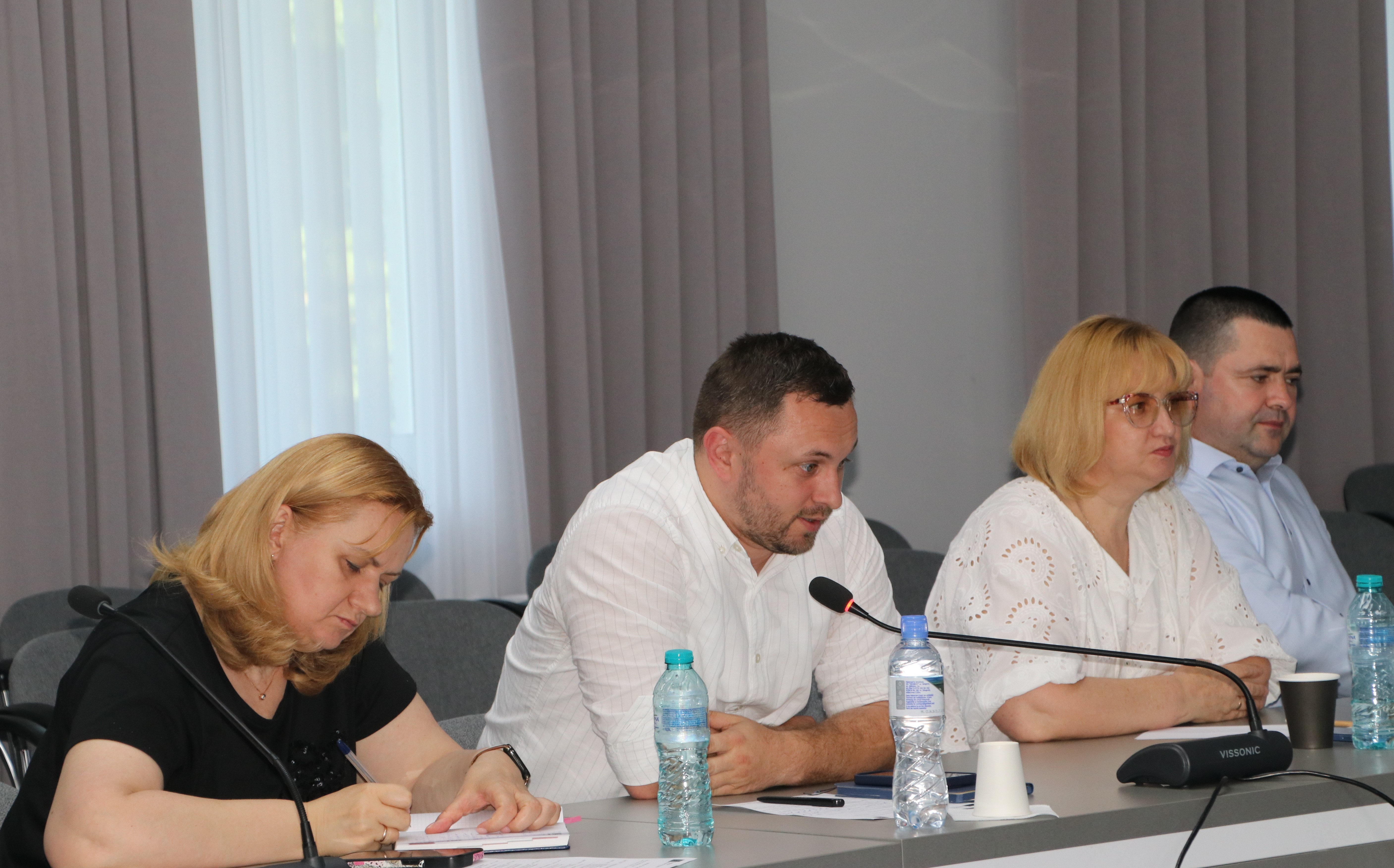
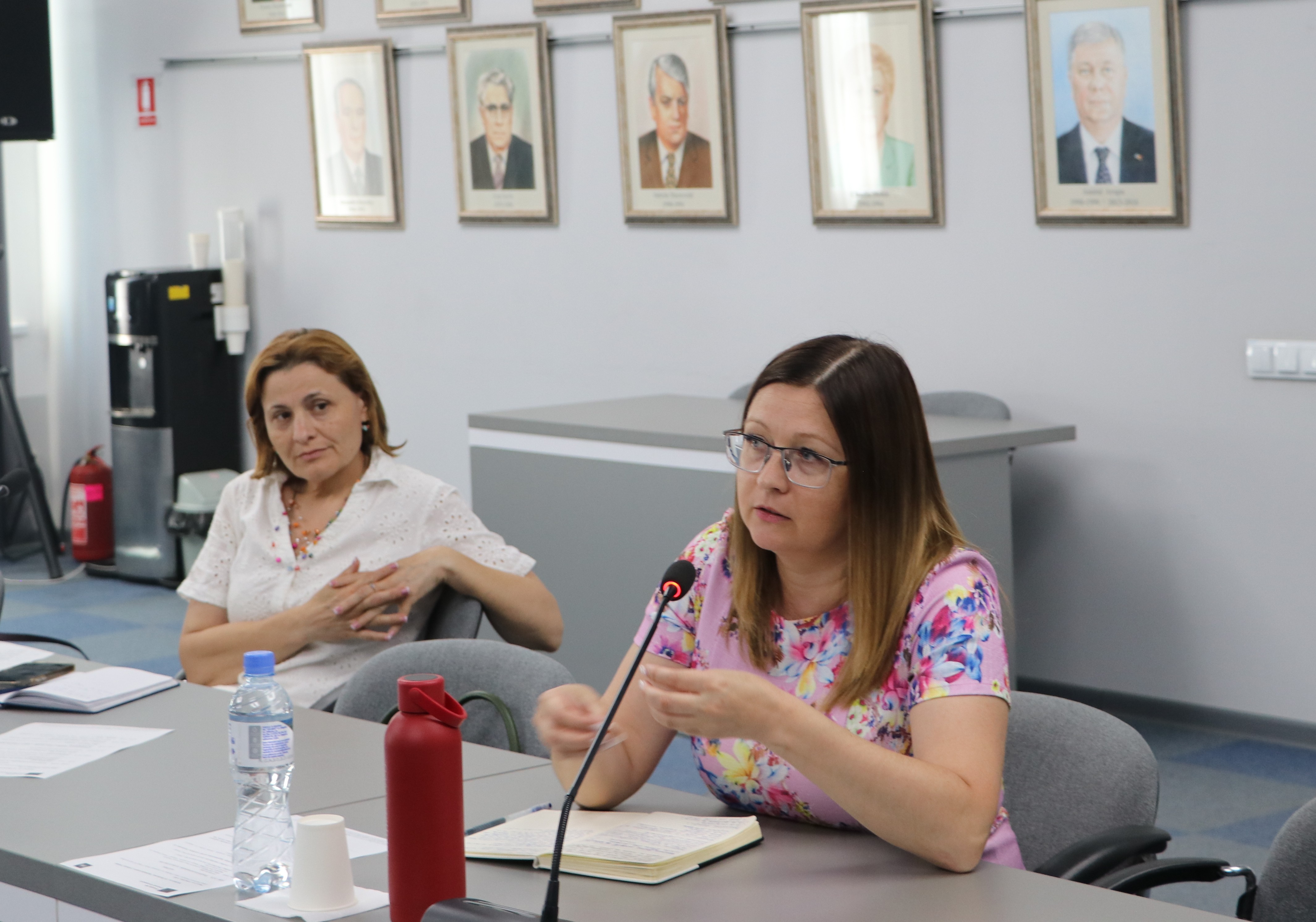
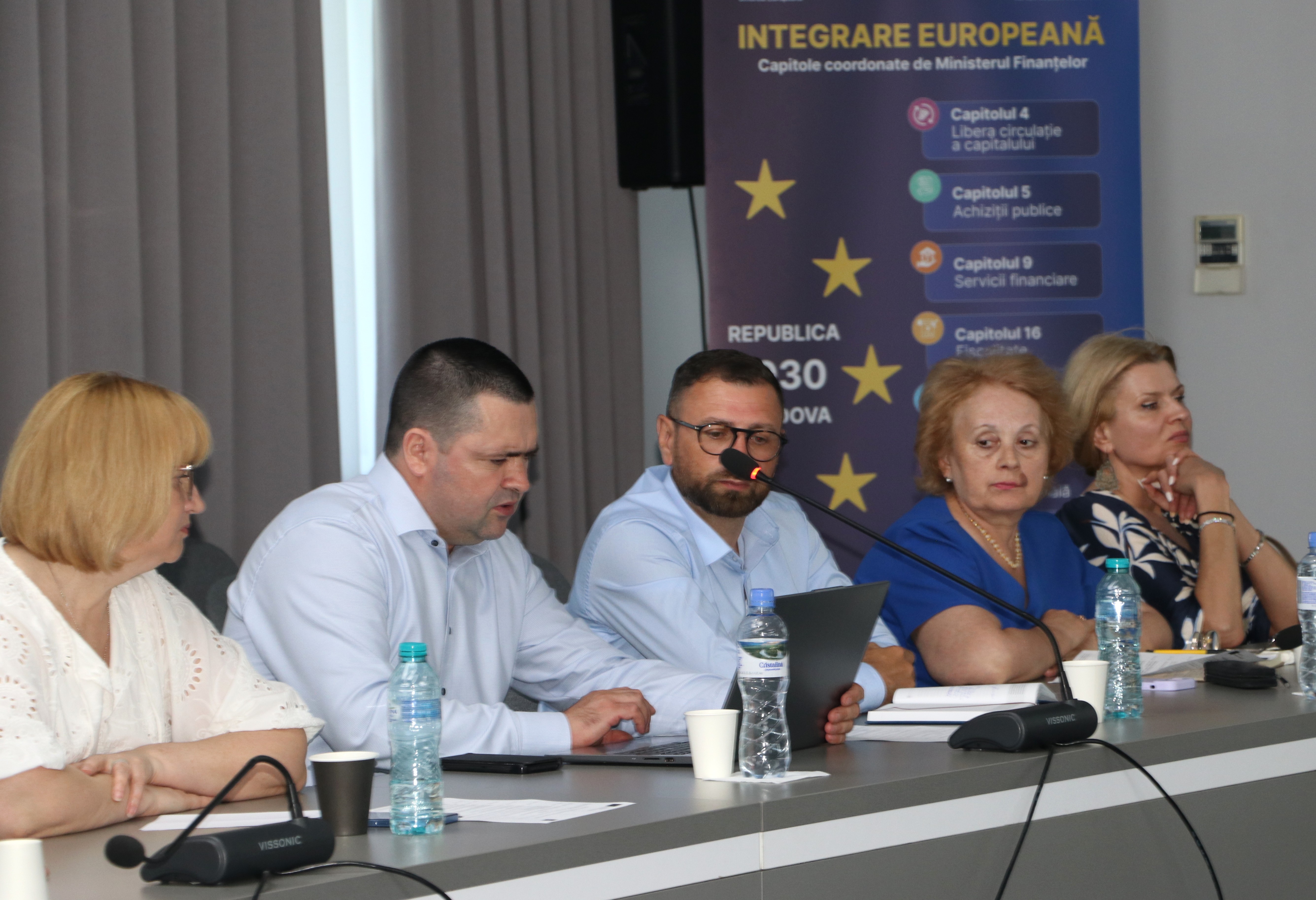
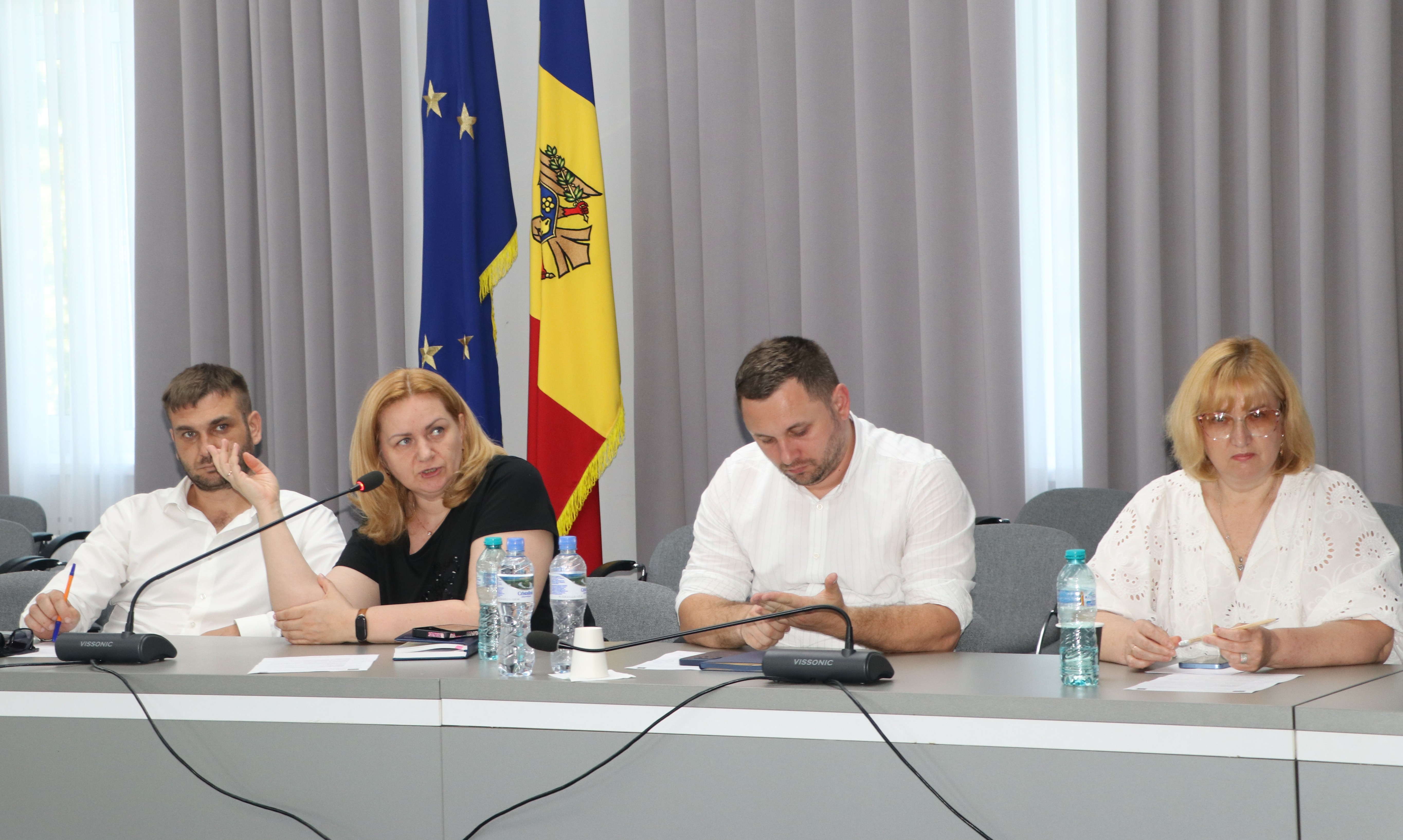
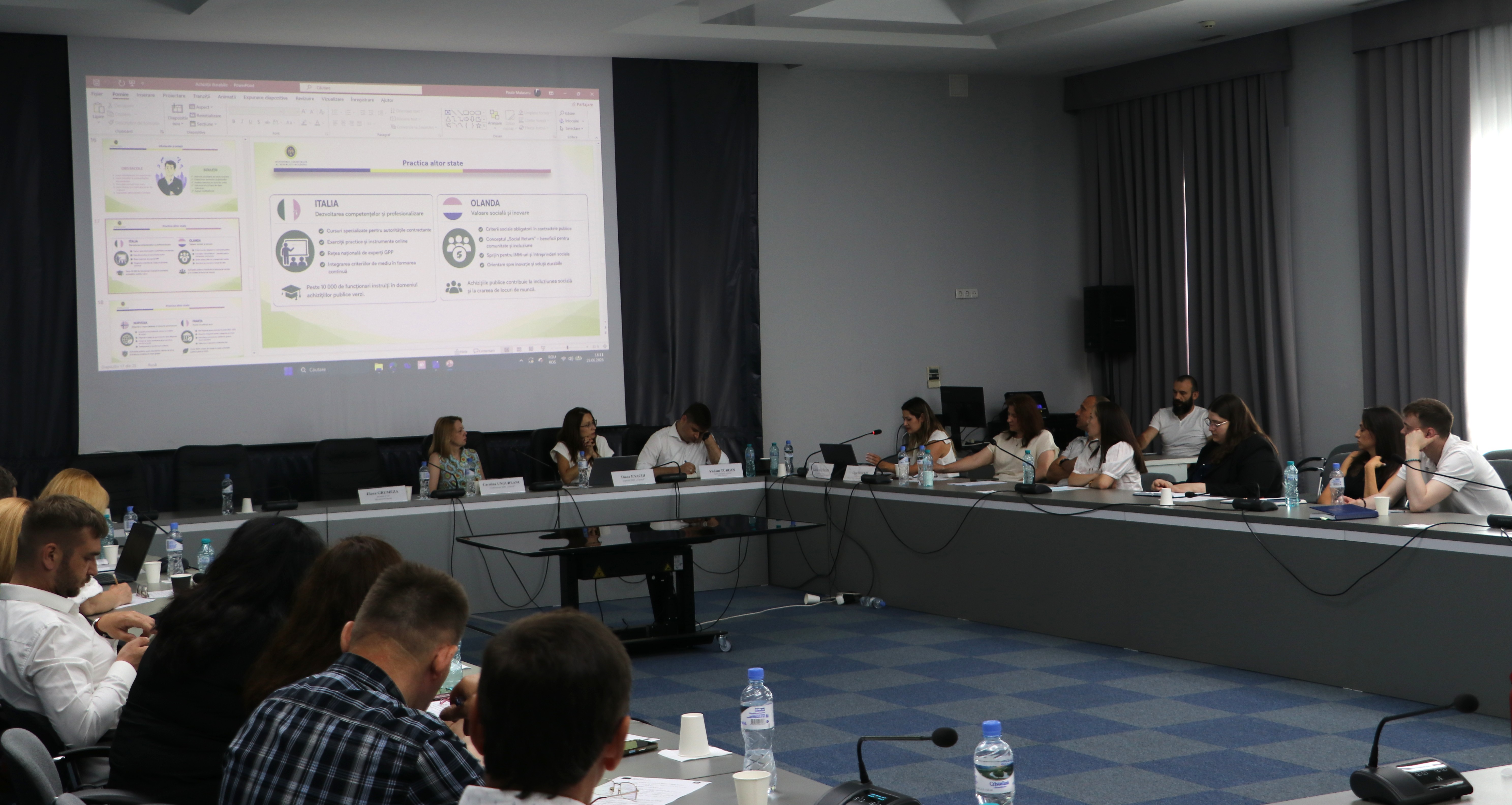
Members of the National Platform for Public Procurement (NPPP) discussed several key topics during the meeting held on Monday, June 29, 2026, including the draft Regulation on the Activity of Procurement Service Providers, sustainable public procurement, the relationship between public policies and practical implementation, and civil society recommendations regarding the implementation of sustainable public procurement in the Republic of Moldova. The event took place within the project "Supporting Moldova’s public procurement reform in the EU accession context”, implemented by IDIS “Viitorul” with the support of the European Union.
The State Secretary of the Ministry of Finance, Elena Grumeza, stated that the topics discussed aim to modernize and reform the public procurement system of the Republic of Moldova. According to her, the Regulation on the Activity of Procurement Service Providers will contribute to the professionalization of the field by involving certified specialists in procurement procedures, thereby increasing process quality and reducing errors and administrative burden. At the same time, integrating sustainability criteria into public procurement will direct state investments toward products and services with a lower environmental impact, generating long-term savings and supporting climate objectives.
Carolina Ungureanu, Deputy Director of IDIS “Viitorul” and Program Manager, stated that until recently, sustainable public procurement had received limited attention in the Republic of Moldova. The lowest price criterion was often prioritized without considering that other procurement evaluation criteria can generate greater benefits, including in the long term. “When purchasing goods, services, or works, the analysis should focus not only on the immediate cost, but also on long-term benefits and expenses, in order to ensure the efficient use of public funds,” said Carolina Ungureanu.
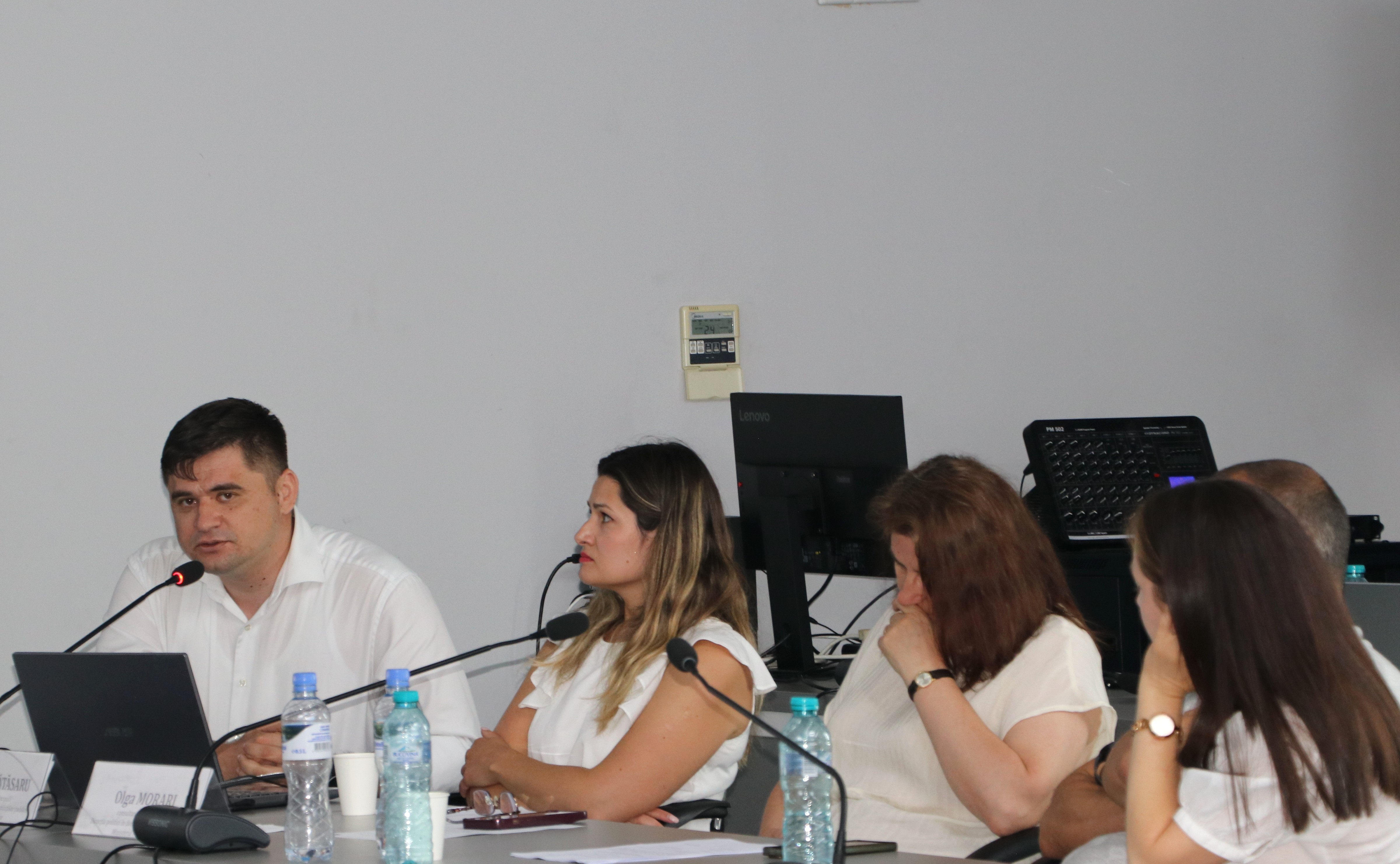
Lucia Matăsaru, Senior Consultant within the Public Procurement Policy Directorate of the Ministry of Finance, presented the draft Regulation on the Activity of Procurement Service Providers, developed to clarify the institutional and functional framework governing this type of service. “This draft Regulation aims to regulate, for the first time in our legislation, the category of actors operating on the public procurement market, an area that has so far lacked a clear regulatory framework,” said Lucia Matăsaru.
Olga Morari, Senior Consultant within the Public Procurement Policy Directorate of the Ministry of Finance, spoke about the implementation of sustainable public procurement in the Republic of Moldova, including verifiable criteria, sustainability indicators, and the adaptation of standard documentation. “Public procurement is no longer merely a process through which contracting authorities acquire works, goods, and services; it is becoming a strategic tool for economic development, environmental protection, and the promotion of social objectives,” noted Olga Morari.
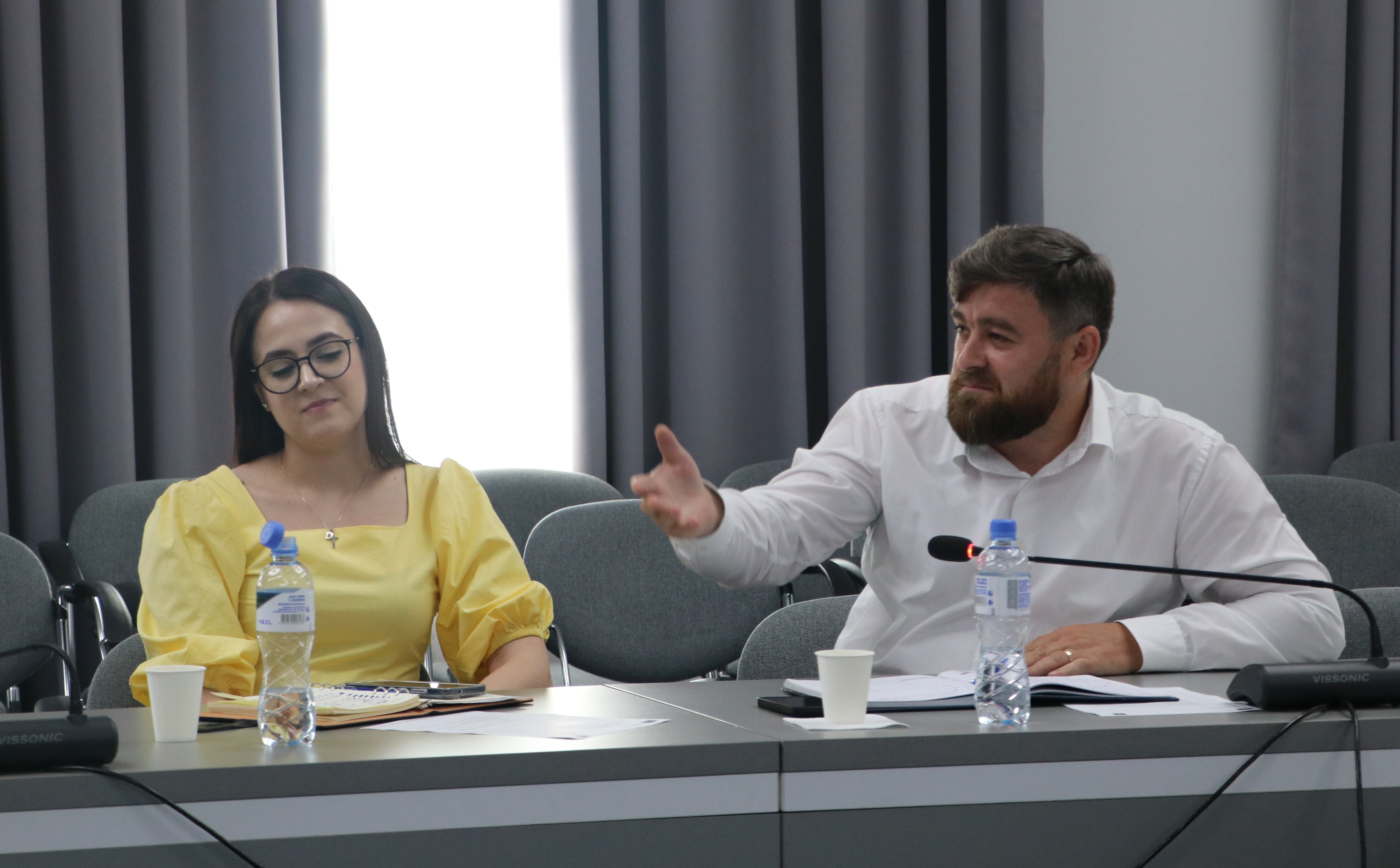
Associate expert at IDIS “Viitorul”, Vadim Țurcan, co-author of the analytical paper “Sustainable Public Procurement: Between Public Policies and Practical Implementation”, stated that the document highlights the need to accelerate the adoption of the secondary regulatory framework on sustainable public procurement and to update the related legal infrastructure. At the same time, the document recommends that the Public Procurement Agency develop and publish guidelines and standard documentation in Romanian, expand dedicated training programs, and transform pilot experiences into practical tools for contracting authorities. The expert also advocated integrating sustainability criteria into award documentation, using the “best value for money” criterion, establishing priority categories for sustainable procurement, and monitoring contract outcomes.
Diana Enachi, co-author of the analytical paper, highlighted models and best practices from European countries with advanced regulations on sustainable public procurement. Italy was mentioned as one of the first states to regulate the mandatory inclusion of environmental requirements for certain goods, services, and works, including furniture, paper, IT equipment, cleaning services, catering, construction works, and street lighting. Another example is the Netherlands, which has adopted a strategy with a clear vision for achieving sustainable procurement objectives in the environmental, social, and economic fields, supported by clearly defined goals and targets.
Additionally, as Diana Enachi noted, the Dutch electronic procurement system, TenderNed, contains standardized sustainability criteria developed at the national level and made available to contracting authorities. Both regulatory bodies and contracting authorities in Moldova could adopt similar practices to advance sustainable public procurement, including by establishing mandatory minimum requirements for specific procurement categories.
During the discussion session, NPPP members emphasized the importance of accelerating public procurement reforms through the professionalization of procurement services and the integration of sustainability criteria into public procedures. They also highlighted the need to strengthen the regulatory framework and implement the recommendations put forward by civil society and contracting authorities in order to ensure a more efficient, transparent, and European standards-aligned procurement system.
The activities of the NPPP are carried out within the project "Supporting Moldova’s public procurement reform in the EU accession context”, implemented by IDIS “Viitorul” with the support of the European Union between September 2025 and September 2026.
This press release was produced with the financial support of the European Union. Its content is the sole responsibility of the project "Supporting Moldova’s public procurement reform in the EU accession context”, financed by the European Union. The content of the press release belongs to the authors and does not necessarily reflect the views of the European Union.
For additional information about the project, please contact the project’s communication specialist, Maria Procopciuc, at +373 600 88 544 or via email at maria.procopciuc@viitorul.org.